
Some of the links in this post are affiliate links. This means if you click on the link & purchase the item, I will receive an affiliate commission at no extra cost to you. All opinions remain my own.
Choosing a puppy from a litter is an exciting moment, but it’s also an important decision. The puppy you pick will be part of your family for years, so it’s important to make the right choice.
This beginner’s guide will walk you through everything you need to know, from preparing for a new puppy to observing their personality and checking their health, so you can confidently choose the right puppy for your home and lifestyle.
Table of Contents
Step-By-Step Guide: How To Choose A Puppy From A Litter

These steps will guide you through the process, so you can observe, handle, and evaluate each puppy with confidence.
Step 1: Prepare Before Choosing A Puppy
Before meeting the puppies, it helps to think about your lifestyle and what you need and want in a dog. This will make it easier to pick the right puppy for your home.
Consider Your Lifestyle
- How much time can you spend with a puppy each day? Puppies need attention, training, and play, especially in their first year, and continued care throughout their life.
- Are you active or more relaxed? Some breeds need lots of exercise, while others are more low-key.
- Who else lives in your home? Kids, seniors, or other pets may affect which puppy is the best fit.
Think About Breed Traits
- Different breeds have different energy levels, personalities, and social needs. Make sure your breed choice matches your routine.
Decide on Gender (Optional)
- Male and female puppies are similar as babies, but may act differently as they grow.
- Some people choose based on size, maturity, or personal preference.
Taking a little time to prepare will help you feel more confident when it’s time to meet the puppies.
Step 2: Visit The Breeder And Ask Key Questions

Once you’ve prepared, it’s time to visit the breeder and see the puppies in person. This step is important for making sure the puppies are healthy and well-cared for.
Before you choose a puppy, make sure you’re comfortable with the breeder, too. Learn how to find a reputable Golden Retriever breeder and what to look for before bringing a puppy home.
Check the Environment
- Look at where the puppies live, clean, safe spaces are a must.
- Observe how the puppies are handled and socialized.
Meet the Parents
- Seeing the parents can give you an idea of the puppies’ future temperament and health.
- Healthy, happy parents are a good sign of responsible breeding.
Ask Key Questions
Ask the breeder about the following:
- Health history and genetic testing of the parents
- Breed traits and temperament
- Vet exams, vaccinations, and deworming schedule
- Health guarantees and return policies
Visiting the breeder and asking these questions helps you feel confident in choosing a puppy that’s healthy and a good fit for your home.
For a helpful checklist of questions to ask a breeder, see this guide from The Kennel Club.
Step 3: Observe Puppy Personalities
Every puppy has its own unique personality. Taking the time to observe how they act will help you find the one that best suits your home and lifestyle.
Look for Behaviour Clues
- Playful puppies are often full of energy and love interaction.
- Calmer puppies may enjoy cuddles and quiet time.
- Confident puppies will explore new things quickly, while shy ones may hang back.
Watch How They Interact
- See how the puppies play with each other. Do they share, wrestle, or boss each other around?
- Notice how they respond to people. Do they run up excitedly, or stay cautious?
Personality Types to Notice
- The Eager-to-Please Puppy: Quick to seek attention and easy to train.
- The Easygoing Pup: Relaxed and adaptable, often a good match for families.
- The Runt of the Litter: Smallest of the group, may need extra care at first, but often develops a strong, bold personality.
Match Personality to Your Home
- Active families may enjoy a bold, playful puppy.
- Quieter households may prefer a calmer or gentler pup.
- If you have kids or other pets, look for a puppy that’s social and adaptable.
Most families do best with a puppy that’s somewhere in the middle, not too bossy and not too shy. Talk to the breeder too, since they’ll have the best insight into each puppy’s behaviour.
Step 4: Interact With The Puppies
Watching is important, but handling the puppies will tell you even more about their temperament.
- Pick them up gently: See how each puppy reacts to being held. A wiggly pup may be more independent, while a relaxed pup may be easier going.
- Test their response to touch: Gently touch their paws, ears, and mouth. Puppies that are comfortable with handling from an early age usually adjust well to grooming and vet visits later.
- Call them over: Try snapping your fingers or calling softly. Puppies that come quickly may be eager to please, while those that hesitate may be more cautious or independent.
Take your time and stay calm during these interactions. Puppies can get overwhelmed easily, and a gentle approach helps reveal their true personality.
Learn how to help your puppy become confident and social in my Beginner’s Guide to Socializing Your Golden Retriever Puppy.
Step 5: Check For Signs Of Good Health
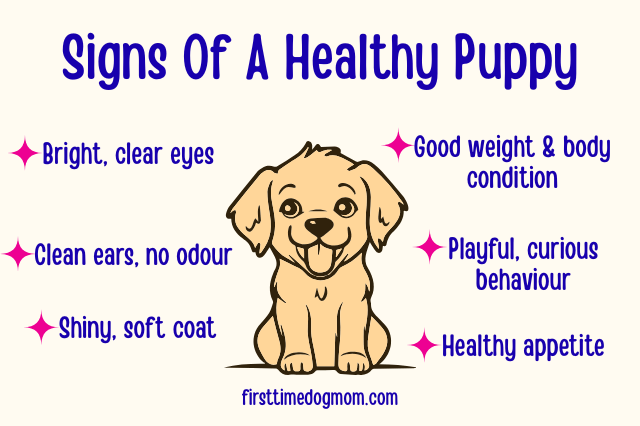
A healthy puppy will have bright eyes, clean ears, and a shiny coat. When visiting, take a close look at each puppy.
- Eyes and nose: Clear, bright eyes and a nose that’s free of discharge are good signs.
- Ears and coat: Ears should be clean without a strong odour, and the coat should be soft and shiny, not dull or patchy.
- Body condition: Puppies should feel neither too skinny nor overly round.
- Energy levels: Healthy puppies are curious and playful, but should also settle down for naps.
Don’t be afraid to ask the breeder about health checks, vaccinations, and any history of health issues in the litter. A responsible breeder will be open and happy to share this information.
Step 6: Choose Your Puppy
After spending time with the puppies, it’s time to decide. Think about everything you’ve observed: health, personality, and how the puppy interacts with you and others.
- Trust your instincts: Pick the puppy that feels like the best fit for your home and lifestyle.
- Balance personality and energy: Most families do best with a puppy that’s somewhere in the middle, not too shy, not too bossy.
- Check with the breeder: Ask for their insight on each puppy’s behaviour and temperament. They often know which puppy will thrive in which type of home.
- Take your time: Don’t rush. Choosing the right puppy is an important decision that will affect your family for years.
By considering personality, health, and compatibility, you’ll feel confident in welcoming your new puppy into your home.
Once your puppy is settled, it’s a great time to start training. Learn beginner-friendly commands in my Guide to Basic Puppy Training Commands.
FAQs
Got questions about choosing a puppy from a litter? Here are answers to common ones.
1. Should I Pick The Runt Of The Litter?
The runt is the smallest puppy and may need extra care at first. They can grow up healthy, but make sure you’re ready to give them the attention they might need.
2. Can A Puppy “Choose” Me?
Sometimes a puppy seems to gravitate toward you. This can help guide your decision, but also consider personality, health, and energy level to make sure it’s a good fit for your home.
3. How Do I Know Which Puppy Is Right For My Family?
Observe behaviour, play style, and reactions to people. Ask the breeder for insight, and choose the puppy that matches your lifestyle and household energy.
4. What Signs Show A Puppy Is Healthy?
Look for bright eyes, clean ears, a shiny coat, good body condition, and playful energy. A responsible breeder will share vaccination, deworming, and health check records.
5. Should I Choose A Male Or Female Puppy?
Male and female puppies are similar as babies, but may differ in size, maturity, and temperament as they grow. Pick the one that best fits your lifestyle and household.
Conclusion
Choosing the right puppy from a litter doesn’t have to feel overwhelming. By watching their personalities, interacting